Hamid Mollazadeh
For more than a decade, Iran’s refining sector has operated under a structural paradox: rising domestic fuel demand against an industry that has added virtually no new large-scale refining capacity.
In this vacuum, optimization rather than expansion has emerged as the only realistic strategy to maintain supply security. This has reshaped the energy landscape, placing Iran’s refineries under intense pressure to produce more gasoline and diesel while relying on facilities that were never designed to meet today’s consumption patterns or environmental standards.
Despite these constraints, fuel output—particularly gasoline—has increased in recent years, driven mostly by debottlenecking projects, catalytic reformer upgrades and efficiency improvements within existing units.
Engineers have pushed decades-old machinery to achieve higher throughput, allowing Iran to move from a net gasoline importer to a self-sufficient producer in certain periods.
Yet this growth masks a deeper structural weakness: without new refineries, increases in output come at the cost of operational strain, reduced equipment lifespan, and significantly higher maintenance requirements.
Critical Challenges
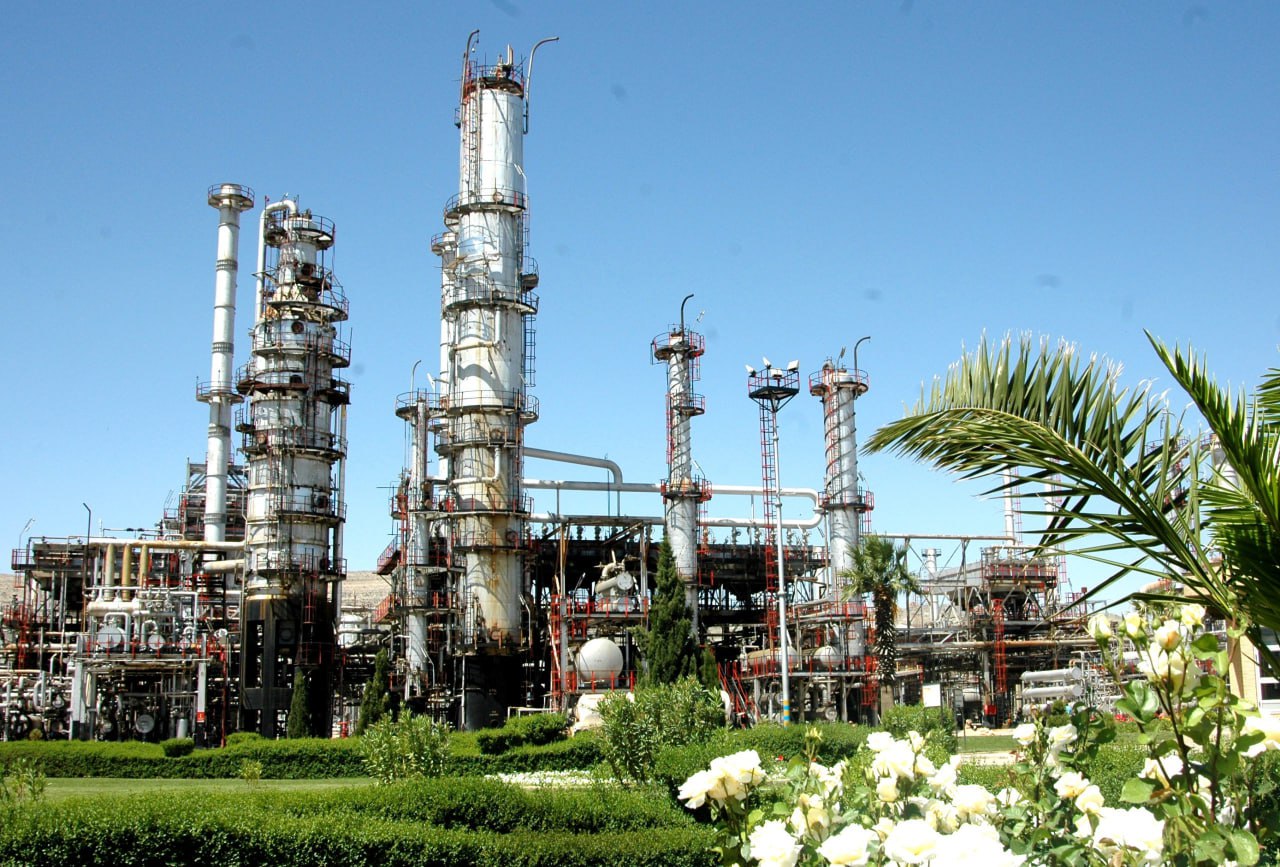
The aging nature of Iran’s refining infrastructure remains one of the most critical challenges. Most domestic refineries were built between the 1950s and 1980s, with only partial modernizations occurring in the last two decades.
Many units still rely on outdated technologies with limited energy efficiency and high emissions. This aging profile not only affects production reliability but also raises the risk of unplanned shutdowns—interruptions that directly pressure fuel supply during peak demand seasons.
The absence of systematic reconstruction programs means refineries must balance between daily production needs and the long-term risks of equipment fatigue.
Environmental compliance adds another layer of complexity. Iran’s fuel mix still includes Euro-2–grade gasoline and diesel in many regions, far below global environmental benchmarks. While some facilities have upgraded to Euro-4 or Euro-5 output, these improvements remain uneven.
Producing cleaner fuels requires advanced hydrotreating units, sulfur removal systems, and high-efficiency catalytic processes—technologies that many of Iran’s legacy refineries lack.
As international standards tighten and regional competitors adopt cleaner production norms, Iran risks falling further behind. The environmental cost—urban air pollution, higher sulfur emissions, and public health impact—will only grow if modernization remains limited to small-scale optimization projects.
Future Bottlenecks
Looking ahead, future bottlenecks appear unavoidable. As domestic demand for gasoline and diesel continues its upward trajectory—driven by population growth, subsidized fuel prices, and expanding transportation fleets—refineries will struggle to keep pace.
Existing facilities are already operating near maximum safe capacity. Without new large-scale projects or a fundamental shift in energy policy, Iran may face renewed supply gaps, forcing the country back toward fuel imports or deeper rationing measures. The refining sector’s ability to accommodate future petrochemical feedstock needs will also become increasingly constrained.
A comparison with Persian Gulf littoral states highlights the widening strategic gap. Saudi Arabia, Kuwait, and the UAE have invested heavily in next-generation refining complexes such as Jazan, Al-Zour, and Ruwais—facilities that produce high-quality fuels with strong petrochemical integration and compliance with strict emissions standards. These refineries operate with modern technology, economies of scale, and export-oriented strategies that generate significant added value.
Iran, meanwhile, has relied almost exclusively on optimization, lacking the capital flow and stable investment environment required to build modern mega-refineries.
In this landscape, optimization remains Iran’s only viable short-term strategy, but it cannot substitute for new capacity indefinitely.
Without substantial investment in modernization or new construction, the refining sector’s structural vulnerabilities will deepen, impacting fuel security, environmental quality, and economic efficiency.