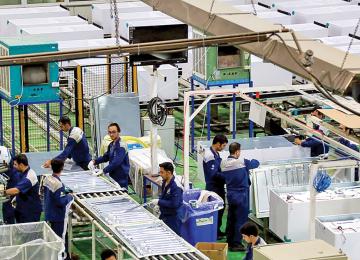
As domestic demand weakens across Iran’s industrial sector, exporting is no longer a strategic choice but an economic necessity for many producers. A sharp decline in household purchasing power,…
Feature
Hamid Mollazadeh
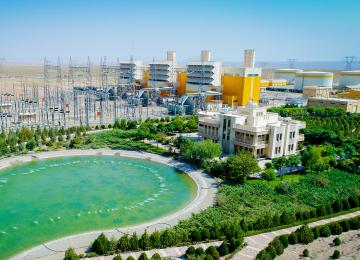
Iran’s energy system is once again under severe strain as winter tightens its grip, exposing long-standing structural weaknesses in consumption patterns and power…
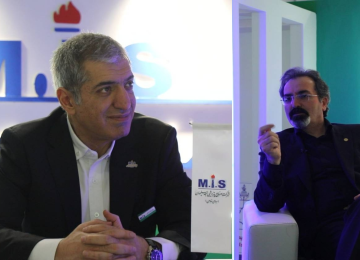
Iran's petrochemical industry, a vital sector for the nation, stands at a historical crossroads. Its future trajectory will directly impact Iran's financial balance, employment, and competitive…
Hamid Mollazadeh
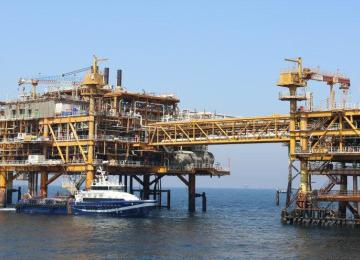
Iran has pushed daily gas production from the South Pars field in the Persian Gulf to a new historic high, but the milestone underscores a deeper strategic dilemma:…
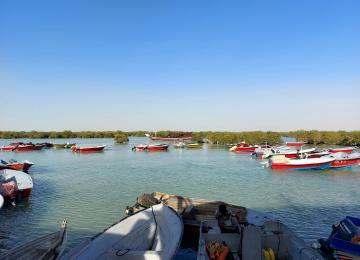
Iran’s tourism sector, already struggling in recent years, is facing a severe crisis, particularly in the warm southern coastal regions typically bustling with visitors during the winter months.…
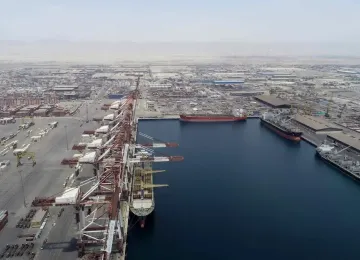
Iran’s maritime logistics sector has quietly established itself as one of the most resilient and profitable segments of the country’s capital market, benefiting from structural exposure to foreign…
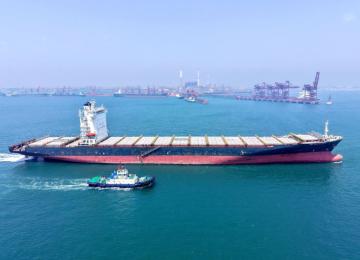
Iran’s foreign trade has entered a period of heightened uncertainty as prolonged disruptions to international internet access paralyze communication, logistics and financial settlements for…
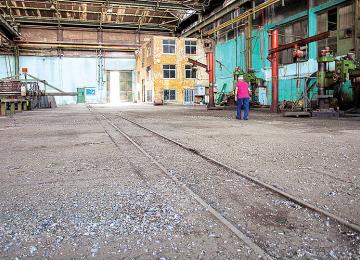
Iran’s industrial and commercial sectors are entering a critical phase as mounting economic uncertainty, currency volatility and repeated policy disruptions erode production capacity and business…

Investment has historically been a cornerstone of Iran’s development, from the construction of the national railway to private sector-led industrial projects. Yet, in recent years, both domestic…
Hamid Mollazadeh
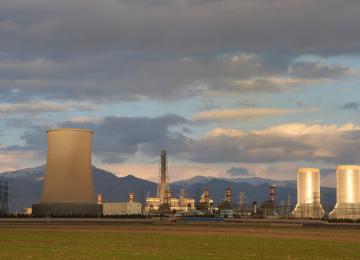
Iran’s current energy crisis stems from a paradox: a country with some of the world’s largest reserves of natural gas and crude oil is struggling to ensure a stable…
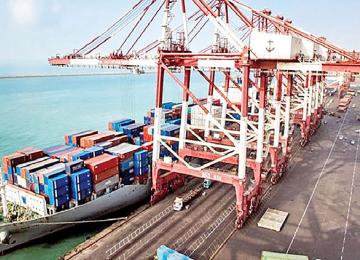
The US president has announced that from now on, any government continuing trade with Iran will be subject to a 25% tariff.
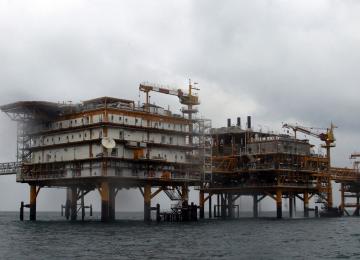
Hamid Mollazadeh
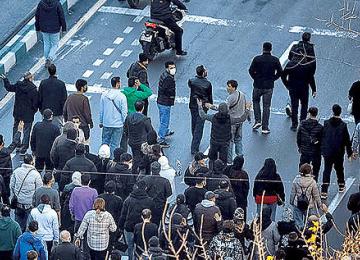
In recent days, protests have emerged in various parts of Iran, and it seems that at least part of the roots of these unrests is related to economic and livelihood issues.
Among the…
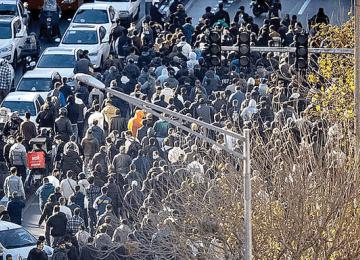
It is over two weeks that protests, which first broke out following strikes by shopkeepers over the dramatic fluctuations in the foreign exchange market and rising prices that dampen people’s…
Hamid Mollazadeh
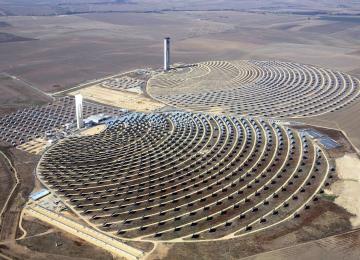
Across the Middle East, a profound energy transformation is underway. Countries long defined by oil and gas are racing to secure a place in the global clean energy economy,…
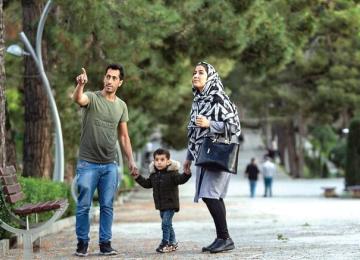
In Iran’s social architecture, the family has long functioned as the most resilient institution—a final refuge against political instability and economic hardship. Yet today, this last line of…
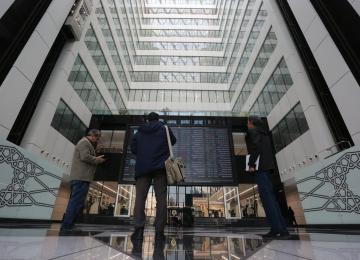
Iran’s equity market has long carried a reputation for seasonal volatility, but a closer look at historical data suggests winter is not the weak period many investors assume.
An…
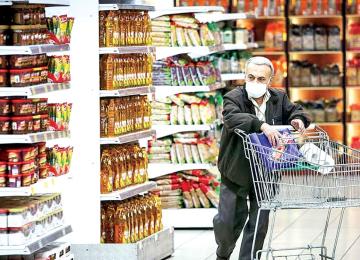
As Iran enters deliberations over the draft budget for the Iranian year 1405 (March 2026–March 2027), the long-running debate over preferential foreign exchange has reached a critical juncture.…
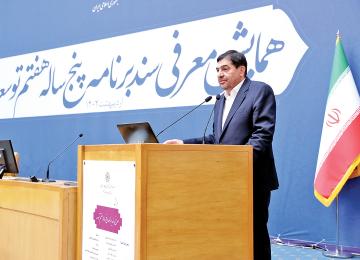
Iran’s Seventh Development Plan is already falling short of its ambitious industrial and mining growth targets, raising fresh doubts about the credibility of medium-term economic planning and the…
As Iran’s economy grapples with sanctions, chronic inflation and persistent exchange-rate volatility, some policymakers continue to defend a system of multiple exchange rates combined with tighter…
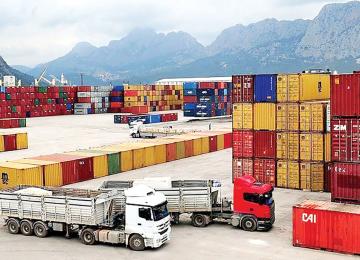
Iran’s trade relations with the Caucasus region reveal a striking paradox. Armenia and Azerbaijan, two immediate neighbors with comparable geographic proximity and market potential, have followed…
Iran’s latest growth figures, attributed to the Central Bank and circulated unofficially through local media, confirm that the economy has remained stuck in recessionary territory during the first…
Hamid Mollazadeh
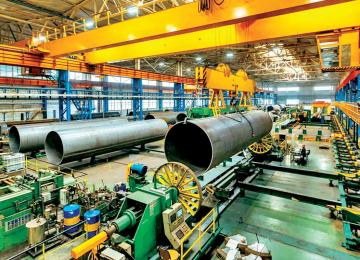
Iran’s manufacturing sector is increasingly constrained not by demand or capacity, but by a deepening financing bottleneck that has turned production into a daily struggle for survival rather than…
Hamid Mollazadeh