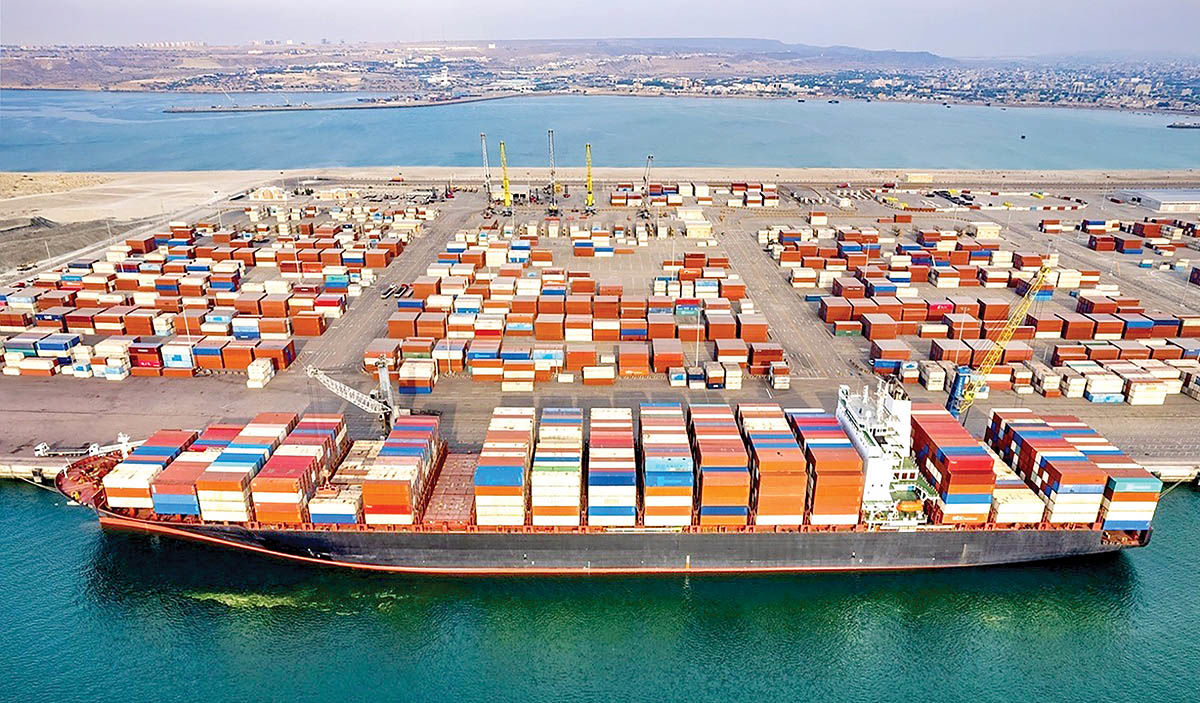
Iran’s foreign trade contracted in value during the first nine months of the current Iranian year (March–December), despite an increase in traded volumes, according to the latest data released by the Islamic Republic of Iran Customs Administration (IRICA).
The figures point to weakening trade effectiveness amid persistent structural constraints on exports and imports.
Official data show that the total value of Iran’s foreign trade reached $85.39 billion in the nine-month period, marking a 10.92% decline compared to the same period last year, while total trade volume rose by 1.36% to 148.23 million tons. The divergence between value and volume highlights the continued dominance of low value-added goods in Iran’s trade basket.
Exports amounted to 118.9 million tons worth $41.24 billion, registering a 1% rise in weight but a 5.78% drop in value year-on-year. Trade experts attribute the decline in export value mainly to Iran’s limited pool of trading partners and the continued reliance on raw materials and semi-processed goods rather than finished products with higher value added.
Imports followed a similar pattern. Iran imported 29.33 million tons of goods valued at $44.15 billion during the period, reflecting a 2.75% increase in volume but a sharp 15.23% decrease in value.
According to market participants, part of the decline stems from reduced gold imports, alongside lower global prices for several key commodities. A drop in machinery and capital goods imports has also raised concerns about weaker investment activity and deeper stagnation in the production sector.
Vice Chairman of the Iran Chamber of Commerce’s Import Management Commission Yousef Ghaziasgar said trade performance should be assessed by product groups rather than headline figures.
He noted that rising exchange rates this year helped prevent a steeper fall in export value by boosting exporters’ incentives. On the import side, declining global prices of essential goods—from oilseeds and sugar to animal feed—have played a major role in reducing import values.
Ghaziasgar also pointed to large volumes of essential goods currently held at ports due to delays in foreign exchange allocation by the Central Bank. Although economically these shipments should be considered completed imports, they are not yet reflected in official customs data.
Overall, the data suggest that Iran’s trade remains volume-heavy but value-light. Analysts warn that unless foreign exchange bottlenecks are eased and exports shift toward higher value-added products, Iran risks losing regional markets to competitors and prolonging the limited impact of its foreign trade on economic growth.