Hamid Mollazadeh
Across the Middle East, a profound energy transformation is underway. Countries long defined by oil and gas are racing to secure a place in the global clean energy economy, investing heavily not only in solar and wind but also in green hydrogen.
Saudi Arabia and the United Arab Emirates are at the forefront of this shift, deploying capital, policy tools and long-term strategies to turn renewable energy into a new pillar of growth. Iran, despite vast natural potential, is falling behind—at a growing economic cost measured in lost investment, lost jobs and lost export opportunities.
Saudi Arabia and the UAE have moved decisively from rhetoric to execution. Under Vision 2030, Saudi Arabia aims to generate around 50 percent of its electricity from renewables by the end of this decade, with planned capacity running into tens of gigawatts, primarily from solar and wind. The kingdom is also investing aggressively in green hydrogen, positioning itself as a future exporter of low-carbon fuels.
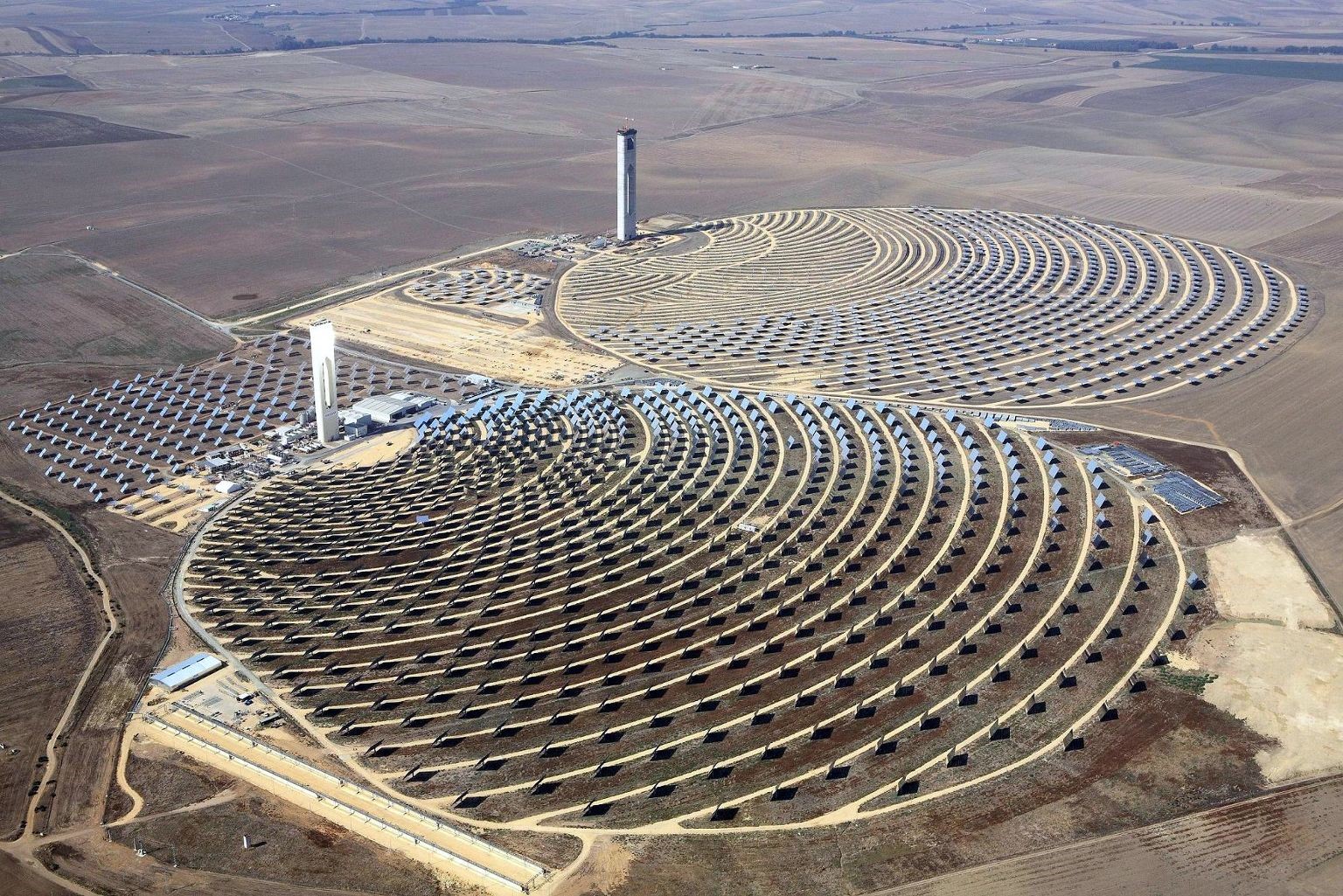
The UAE, meanwhile, has already delivered landmark projects such as the Noor Abu Dhabi solar plant and is pursuing a target of net-zero emissions by 2050. Clean energy investment is now embedded in its economic strategy, not only to decarbonize power generation but to attract foreign capital, build domestic industries and secure long-term export revenues.
These policies are backed by scale. According to international energy agencies, Saudi Arabia and the UAE are together committing tens of billions of dollars to renewable energy and clean fuels this decade. The result is a growing number of ongoing projects, manufacturing activities and skilled employment.
Iran’s Untapped Advantage
Iran’s lag is not due to a lack of resources. The country has some of the region’s best solar irradiation, vast open land suitable for utility-scale projects and strong wind corridors in the north and along the southern coasts. Iranian officials have long acknowledged that renewable energy could play a significant role in the national power mix.
Yet in practice, progress has been limited. Iran’s installed renewable capacity remains modest (3,500 MW)—only a small fraction of what regional competitors have already built or committed to. While Saudi Arabia and the UAE talk in tens of gigawatts, Iran’s renewables remain measured in low megawatts.
This gap is widening at precisely the moment when global energy markets are shifting. Worldwide investment in renewables now far exceeds spending on new oil and gas projects. Countries that fail to integrate into this transition risk being left behind as technology, capital and trade flows reorient.
Cost of Inaction
Iran’s slow pace carries tangible economic consequences. First, there is the cost of lost investment. Global renewable energy spending runs into hundreds of billions of dollars annually. Saudi Arabia and the UAE have become regional magnets for this capital, attracting international developers, banks and technology firms. Iran, constrained by sanctions, policy uncertainty and currency volatility, captures very little of this flow.
Second, there is the cost in jobs. Renewable energy is labor-intensive, particularly during construction and installation. International estimates suggest that each gigawatt of solar or wind capacity supports thousands of direct and indirect jobs. By failing to scale up renewables, Iran is missing an opportunity to create employment at a time when economic pressure and youth unemployment remain serious challenges.
Third, Iran is losing future export potential. Clean energy is no longer just about domestic power generation. Saudi Arabia and the UAE are positioning themselves as exporters of green hydrogen, clean electricity and energy-intensive products produced with low-carbon power. As global climate policies tighten, such exports could command a premium. Iran’s absence from this space risks locking the country out of emerging markets.
Structural Barriers at Home
Several structural factors explain Iran’s underperformance. Energy subsidies remain central. Iran’s extremely low domestic energy prices, while politically sensitive, distort the market and weaken the business case for renewables. Fossil fuels appear artificially cheap, discouraging investment in alternatives.
Policy inconsistency is another obstacle. While support mechanisms such as guaranteed purchase prices have existed, they have often been revised, delayed or undermined by financing and currency risks. Investors—domestic and foreign—lack confidence in long-term returns.
Grid and infrastructure limitations also matter. Large-scale renewable deployment requires modern transmission networks, storage solutions and system flexibility. Investment in these areas has lagged behind regional peers.
Finally, sanctions and financial isolation raise costs and limit access to technology and capital, placing Iran at a disadvantage compared with neighbors that actively court global partners.
The regional energy transition is accelerating. Saudi Arabia and the UAE are not merely reducing emissions; they are reshaping their economic futures. As renewable technologies mature and costs continue to fall, early movers gain industrial ecosystems and market share that late entrants struggle to replicate.
For Iran, the risk is strategic. Remaining overly dependent on fossil fuels in a world moving toward decarbonization could erode long-term export revenues and geopolitical relevance. Oil and gas will not disappear overnight, but their dominance is clearly weakening.
Iran still has options. Clear renewable targets, gradual subsidy reform, stable investment frameworks, and grid modernization could unlock domestic potential and reinsert the country into regional energy trends. The resources exist; the missing element is sustained policy commitment.
As the region builds a clean energy powerhouse, Iran’s hesitation is becoming more costly by the year. The question is no longer whether renewables matter, but whether Iran can afford to remain on the sidelines while its neighbors define the future of energy in the Middle East.