Iran’s Foreign Ministry spokesperson said talks between Iran and the United States in Muscat on Friday concluded with a mutual understanding to continue the dialogue.
Esmaeil Baghaei said in a post on X that the two sides outlined their respective views and demands and agreed to decide on the next round of talks after consulting with their capitals.
Iranian and American representatives sat down for talks for the first time in eight months amid escalating tensions. The previous round of negotiations was halted following Israel’s attack in June and the subsequent 12-day war, during which the United States also targeted Iranian nuclear sites.
Friday’s talks were hosted by Muscat and attended by Iranian Foreign Minister Abbas Araghchi, US President Donald Trump’s special envoy Steve Witkoff, and Senior Advisor Jared Kushner.
Good Start
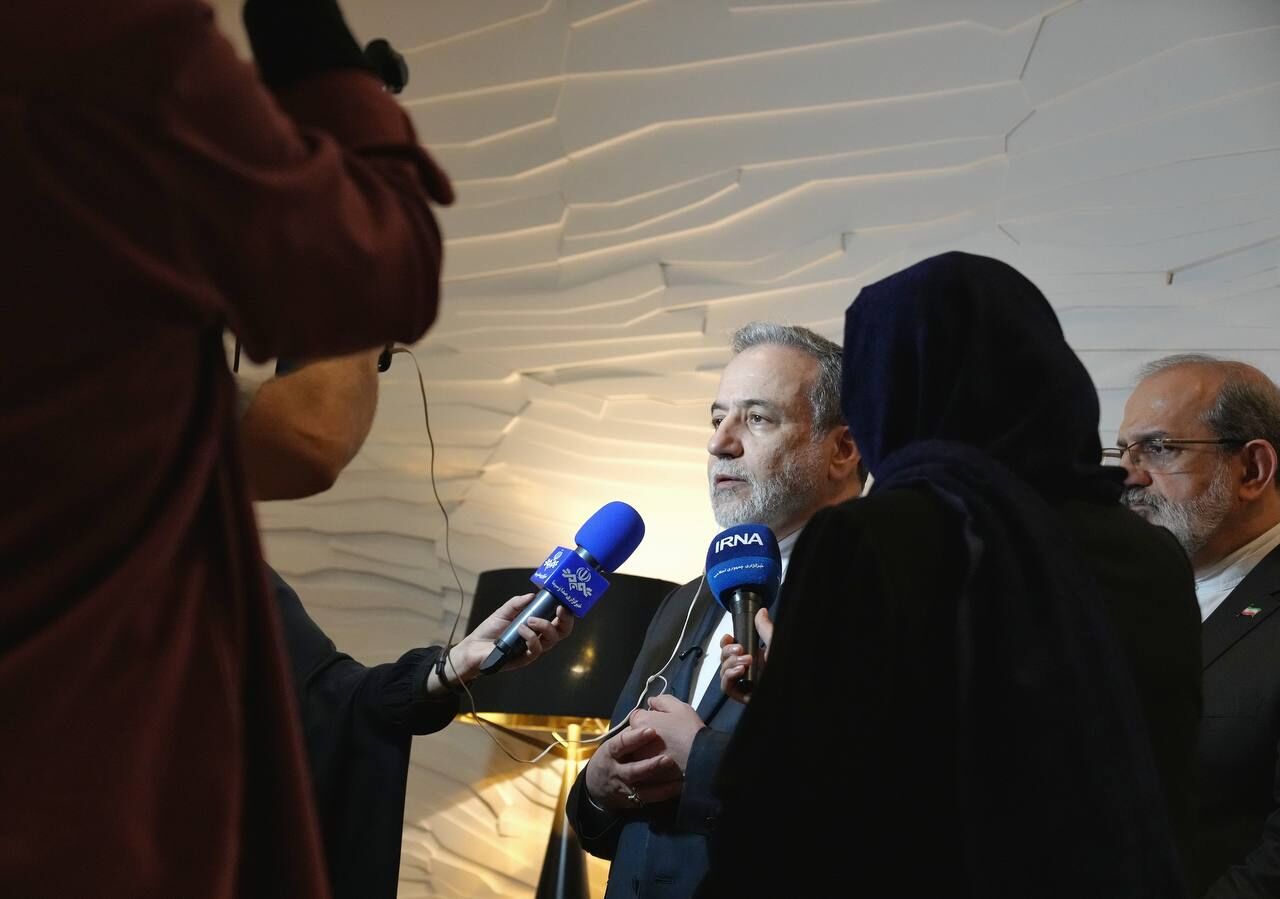
Describing the discussions, Araghchi told IRNA the atmosphere was positive and that the meeting marked a “good start,” adding that the continuation of the talks would depend on consultations in the respective capitals and decisions on how to proceed.
He stressed that there was broad agreement on the principle of continuing negotiations, but that the timing, format, and date would be determined in further consultations to be conducted through Oman.
However, Araghchi said Iran’s mistrust of the United States remains a major obstacle to the talks.
“We are now at a stage where, after eight turbulent months during which we went through a war, we are set to restart a dialogue process. The very deep mistrust that has developed during this period, on top of previous mistrust, is a serious challenge facing the negotiations,” he said.
He added that this atmosphere of mistrust must first be overcome before a new framework for dialogue, that can secure the interests of the Iranian people, can be designed.
The talks come as the United States has significantly increased its military presence in the region and has repeatedly threatened to attack Iran. Reports also indicated that US Central Command chief Brad Cooper was present during the talks.