M.A. Mokarrami
The second round of renewed nuclear negotiations between Iran and the United States will take place Tuesday in Geneva. Early signals suggest that the most consequential developments may not lie in technical nuclear language alone.
According to an informed source, both sides are quietly shaping a framework in which economic benefits are linked directly to nuclear steps. This emerging approach marks a departure from past templates, moving toward a transactional model where material incentives underpin diplomatic stability.
Experience from the Joint Comprehensive Plan of Action shows why this matters. The previous nuclear agreement resolved complex technical issues but failed to create deep economic interdependence.
When the Trump administration withdrew, the economic cost for Washington was minimal, as few commercial stakes had been embedded. Analysts now stress that any future agreement must generate material incentives robust enough to make disengagement costly for both sides.
Economic Anchor
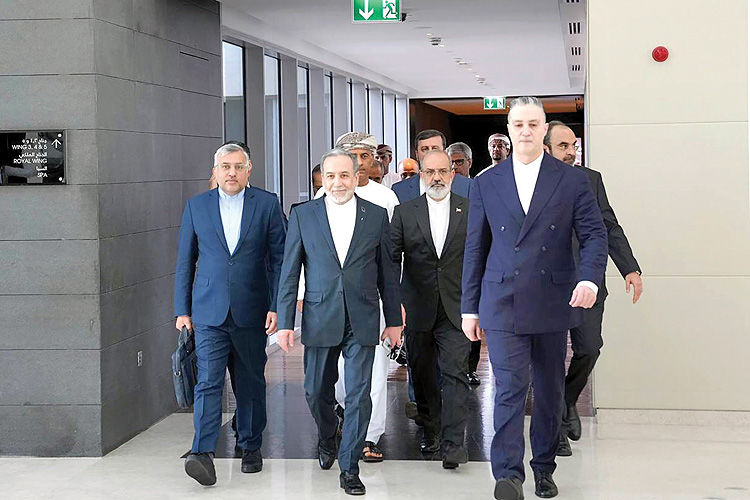
Hamid Qanbari, Iran’s deputy foreign minister for economic diplomacy, is expected to travel to Qatar ahead of the Geneva meeting. His role is to define the economic gains Iran will seek in exchange for nuclear concessions. The visit indicates that Doha could play a practical role in facilitating financial transactions linked to a potential deal.
Economic incentives are designed to be operational, delivered in tandem with each compliance step. This ensures that diplomatic commitments translate into tangible benefits.
Iran’s approach emphasizes calibrated reciprocity: every nuclear concession would come with a measurable economic return. For example, phased nuclear steps could be matched by gradual release of frozen Iranian assets, some of which could be allocated to US companies investing in Iranian infrastructure, energy, or industrial projects. The goal is functionality over formality, creating a system where gains are real and immediate.
Phased Exchange
Emerging signals suggest the US has accepted that zero enrichment will not define the talks, offering flexibility within a controlled framework.
Iran’s stock of roughly 400 kilograms of uranium enriched to 60 percent could be gradually diluted or transferred to a trusted third country. Each stage would trigger concrete economic benefits, including structured access to blocked funds and opportunities for American investors to participate in Iranian projects.
Iran’s focus is now on practical economic capacity rather than nominal sanctions relief. Structured oil exports and reliable financial channels would allow revenues to fund essential imports and industrial development, converting previously constrained energy earnings into predictable growth.
Iran has stated that missile-related issues will not be part of the talks, and regional matters are expected to be addressed through separate diplomatic channels with neighboring states. Yet, Secretary of Iran’s Supreme National Security Council, Ali Larijani, has indicated that a successful nuclear outcome could pave the way for broader engagement later.
Reports from diplomatic observers suggest Washington has accepted a step-by-step approach, with the initial phase focused exclusively on nuclear issues. Both sides are prioritizing achievable results over an all-encompassing settlement.
Financial Backbone
The key question in Geneva is whether economic interdependence can stabilize diplomacy. Analysts argue that agreements rooted in shared material interests are more resilient because political reversals carry measurable costs. When trade, investment, and financial links are embedded, policy choices face structural constraints.
Proposals under discussion reportedly include joint energy development, shared oil and gas field investments, mining partnerships, urban infrastructure projects, civil aviation deals, and phased release of frozen funds. These initiatives would create immediate gains while fostering long-term linkages that reshape strategic incentives.
For Iran, structured economic engagement provides a path to convert constrained oil revenues into predictable development resources. For the US, involvement in projects that enhance regional stability and energy market predictability offers strategic advantages.
Linking nuclear restraint to economic access—including American participation in Iranian projects—ensures that each concession carries a tangible economic stake.
The Geneva talks represent more than another round of nuclear diplomacy. They signal an effort to redefine the agreement’s foundation, making economic cooperation the structural element that sustains political compromise.
If the framework succeeds, the defining feature of a future deal will not be legal language but economic architecture. Durable diplomacy will depend on whether both sides hold stakes substantial enough to make reversal costly.
In this emerging model, nuclear restraint and economic access are intertwined, transforming negotiations from temporary settlements into a stable equilibrium grounded in shared material interests.