Hamid Mollazadeh
In Iran’s vast and strategically sensitive northeast—a region where harsh winters have long been synonymous with gas pressure drops and supply anxiety—the start-up of a new gas field represents far more than the completion of another upstream project. It marks a structural reinforcement of the region’s energy security.
On Saturday, February 21, President Masoud Pezeshkian officially inaugurated production from the Tous gas field, ending more than two decades of stalled development.
Discovered over 40 years ago and subjected to serious development studies for nearly 20 years, the field had remained locked by sanctions, technical constraints and funding limitations. Its activation now positions Tous as a new anchor of supply stability for the provinces of Razavi Khorasan, North Khorasan and South Khorasan.
A Strategic Reservoir
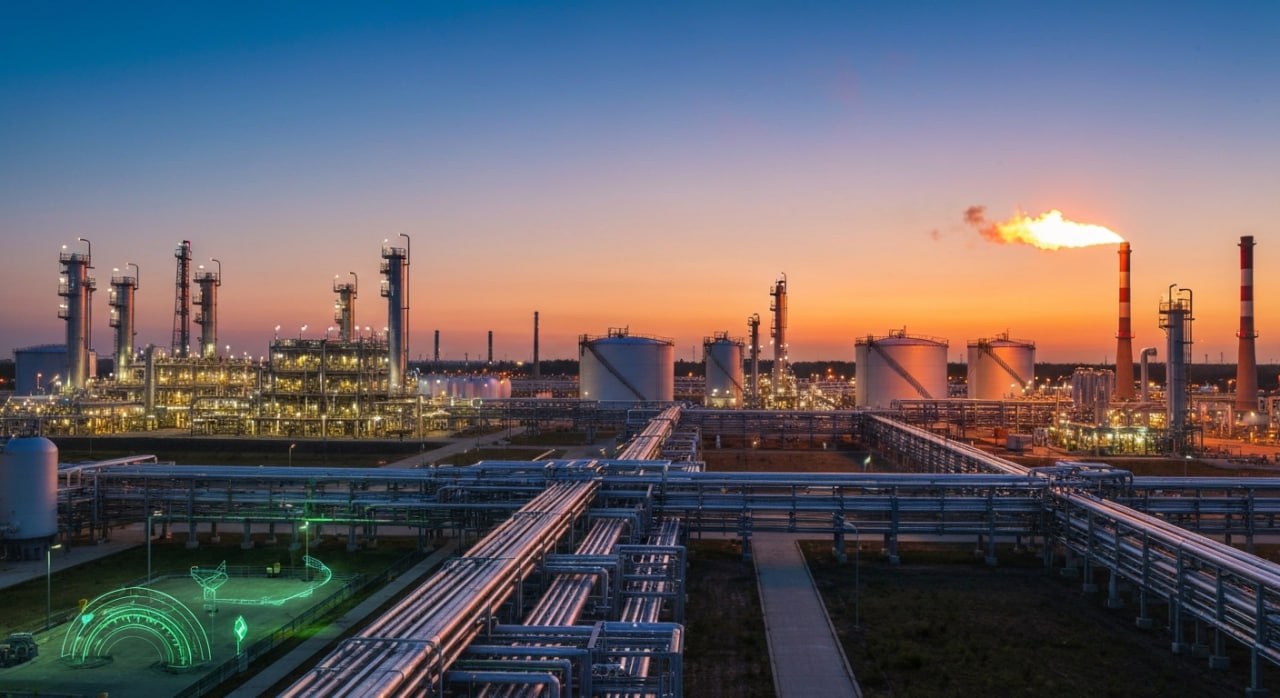
The Tous gas field is located in the Sarakhs region, approximately 100 kilometers northeast of Mashhad, near the strategic Shahid Hashemi-Nejad Gas Refinery. Official estimates place in-place reserves at roughly 58 billion cubic meters—a moderate figure by global standards but significant in regional context.
Technically, Tous presents notable complexity. The reservoir contains sour gas, characterized by high concentrations of hydrogen sulfide and other corrosive compounds.
Producing and processing sour gas requires advanced metallurgy, corrosion-resistant equipment and sophisticated treatment systems. Historically, such projects have carried heavy reliance on imported technologies.
However, Tous benefits from its proximity to existing infrastructure in the Khangiran gas hub. The short tie-back distance to processing facilities significantly reduced transmission costs and accelerated commissioning timelines, enhancing the project’s economic viability.
A 16-Month Execution Model
One of the project’s most striking features is the speed of execution during its most recent phase. Although the field’s history stretches back decades, once final investment decisions were made and capital was allocated, the development was completed within 16 months.
In an industry often associated with multi-year delays, particularly under sanctions, this timeline stands out. The Tous development reflects a strategic pivot toward prioritizing greenfield projects capable of delivering relatively quick returns in terms of gas imbalance mitigation.
Rather than relying solely on mega-projects, policymakers appear to be focusing on smaller and mid-sized reservoirs that can be brought online rapidly to address seasonal deficits.
Production Targets
Initial output has reached 1.5 million cubic meters per day (mcm/d). Upon completion of additional wells in the first development phase, production is expected to rise to 3 mcm/d. The ultimate plateau target is 5 mcm/d.
While 5 mcm/d may seem modest compared to the massive volumes produced from the South Pars field in Bushehr Province, Tous’ strategic value lies in its geography rather than its scale.
Every cubic meter produced in the northeast offsets the need to transport gas more than 1,000 kilometers from southern fields. This reduces transmission losses, lowers operational strain on the national pipeline network and minimizes the risk of pressure drops at the tail end of the system—a chronic issue during peak winter demand. In effect, Tous gas carries a premium in terms of network stability and regional resilience.
90% Localization Under Sanctions
Despite the technological demands of sour gas production, approximately 90% of equipment and materials used in the Tous development were sourced domestically, according to project engineers.
This localization level is particularly significant given the metallurgical sensitivities involved in sour gas operations, where corrosion-resistant alloys and specialized processing units are typically imported.
The project became a showcase of industrial resilience under sanctions, leveraging domestic manufacturers and knowledge-based companies.
Beyond foreign currency savings, the experience has strengthened local supply chains for future eastern region projects—including the Khartang gas field, expected to come online later this year.
Geopolitical and Economic Dimensions
Geographically, northeast Iran sits far from the country’s primary gas production centers in the south. For years, the region has relied partially on gas imports from Turkmenistan to meet winter demand.
Supply disruptions or pricing disputes with Ashgabat have periodically exposed the vulnerability of this arrangement. Extreme cold spells have also led to temporary export suspensions from Turkmenistan, intensifying supply pressures.
The development of Tous represents a step toward regional self-sufficiency. By boosting domestic output in eastern reservoirs, Iran reduces its exposure to cross-border supply volatility and strengthens its bargaining position in gas trade negotiations.
The project therefore carries geopolitical weight: it enhances national energy security while diminishing dependence on external suppliers for household consumption in the Khorasan provinces.
Challenges Ahead
Despite the successful start-up, Tous’ long-term performance will depend on reservoir management, pressure maintenance strategies, and continued capital investment to achieve the 5 mcm/d target.
Sour gas fields require meticulous monitoring to prevent corrosion-related failures and to sustain production efficiency. Moreover, ensuring steady funding for subsequent development phases will be critical in a constrained fiscal environment.
Still, Tous has demonstrated that smaller and mid-sized fields can deliver tangible results faster than mega-developments when properly prioritized.
A Broader Eastern Gas Hub Emerging
With the expected commissioning of Khartang and the concurrent development of three additional reservoirs in the eastern region, a more diversified gas production hub is beginning to take shape in northeast Iran.
If sustained, this strategy could transform the energy dynamics of the region, easing winter stress on the national grid and reducing reliance on long-haul pipeline transfers from the south.
In practical terms, the breaking of the 20-year Tous deadlock is not merely a symbolic achievement. It signals a recalibration of upstream priorities toward speed, localization, and regional balance.
For a region long defined by winter supply anxieties, the start of Tous production injects not just gas into the network—but a measure of confidence into the arteries of Iran’s northeastern energy system.